 World of Business
 World of Digital
 World of Media
 World of Sport
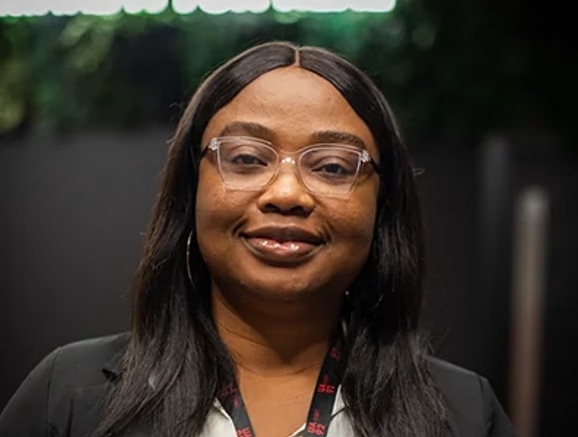
I’m Patricia and I am a Cyber Delivery Assurance Analyst at British Airways. I studied Computer Science at UA92, graduating in 2026.
1. What led you to pursue a career in tech?
I’ve always enjoyed problem solving and figuring out how things work, so technology felt like a natural direction for me. Before starting university, I wasn’t entirely sure whether I wanted to pursue software development or cybersecurity, so I chose Computer Science to give myself the opportunity to explore both. But as I explored different areas, I found myself becoming particularly interested in cybersecurity and how it can be used to protect people and organisations. I love that it’s an industry where there’s always something new to learn.
2. How did studying Computer Science at UA92 prepare you for your role?
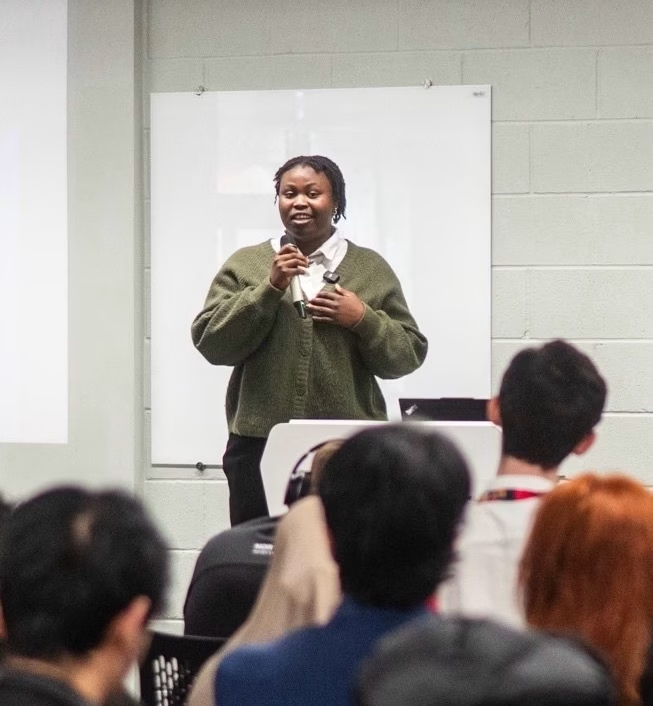
UA92 gave me the opportunity to explore different areas of technology, from software development and databases to networking, cloud computing and cybersecurity. The accelerated nature of the degree also taught me how to manage my time, work independently and adapt quickly. One of my biggest highlights was developing my final-year project, LeaseGuard, which went on to win TechFest 2026, an event in which we present our projects to our fellow students, lecturers and industry partners. It gave me the confidence to take an idea, turn it into something practical and present my work to industry professionals. Overall, my time at UA92 helped me develop both the technical knowledge and transferable skills I’ve brought into my role at British Airways.
3. What does your day-to-day look like?
I’m part of the Cyber Delivery Assurance team at British Airways, where we look at how cybersecurity is considered throughout technology delivery. My day-to-day involves working with colleagues and stakeholders, reviewing information and evidence, keeping track of delivery activities and understanding potential security risks. I also spend time reviewing documentation, following up on actions, reaching out to stakeholders, and supporting assurance activities to help ensure security requirements are being considered. It’s a role that involves a good balance of technical understanding, communication and organisation. No two days are exactly the same, which I enjoy, and there’s always an opportunity to learn something new, whether that’s through the work itself or the people I get to work with.
4. What technologies, tools or skills do you use in your day-to-day?
A lot of my day-to-day involves working with tools such as Jira and Confluence, alongside the wider Microsoft 365 suite, including Teams, Excel, SharePoint, Outlook, and Copilot. I also draw on the technical knowledge I developed at university, particularly around cybersecurity, databases, frameworks and architecture. I’d say communication, organisation, analytical thinking and attention to detail are just as important as technical skills in my current role.
5. Have you contributed to any initiatives such as mentoring or women in tech groups?
During my time at UA92, I was President of the Women in Tech Society, which was something I really enjoyed. I wanted to help create a space where women could connect, share experiences and feel more confident exploring opportunities in technology. I’ve also been involved with CTIN (Cyber Talent Incubator Network) through its mentorship programme, which has allowed me to learn from people already working in the cybersecurity industry. I think representation and having people you can learn from make a real difference, and I’d love to continue supporting other women as I progress in my own career.
6. What advice would you give to prospective female students entering tech?
My biggest piece of advice would be to put yourself out there and not feel like you need to know everything before getting started. Ask questions, try new things and don’t be afraid to make mistakes because that’s a big part of learning. I’d also encourage you to make the most of opportunities outside your lectures, whether that’s joining societies, attending events or finding a mentor. I’ve come to learn that sometimes you just have to back yourself and take opportunities even when they feel a little outside your comfort zone. Most importantly, don’t let being one of the few women in a room make you feel like you don’t belong there. You absolutely do.