OVERVIEW
STUDY LEVELS
BSc (Hons)
UCAS CODE
C751
DURATION
3 Years
START DATE(S)
Sep / Nov / Jan / Feb / Apr
ENTRY YEAR
2025/26 | 2026/27
ENTRY REQUIREMENTS
104
Course Introduction
What Will You Learn?
The three-year BSc (Hons) Health, Exercise and Sport degree covers modules from physiology, psychology, nutrition, public health, and health promotion.
You’ll learn how exercise and sport can help encourage positive and sustained lifestyle changes to transform and promote health. Developing practical skills throughout, you will interpret nutritional and physiological data to support improving sport and exercise performance, as well as exploring the prevention, diagnosis and treatment of illness and the development of healthy communities.
You’ll explore how public health and health promotion campaigns can encourage communities to move more, eat differently, and improve their long-term health and wellbeing in a sustainable and environmentally friendly way.
If you’re interested in a Health, Exercise and Sport degree in Manchester, check out the BSc (Hons) in Health, Exercise and Sport and unlock your greatness at UA92.
How You Will Study
Course
breakdown
24 weeks of
study per year
4 x 6-week blocks per year
1 subject module per block
4 CPD focus days per block
Subject Module
Breakdown
250 hours of
study per module
80 hrs face-to-face (32%)
20 hrs Digital Wednesdays (8%)
150 hrs independent study (60%)
Assessment
Breakdown
No traditional
end-of-year exams
Year 1 – 100% coursework
Year 2 – 100% coursework
Year 3 – 100% coursework
Your course modules
Module 1: Developing Active Lifestyles
Motivate and inspire people of all ages and backgrounds to embrace a life-long, active lifestyle. Learn how to develop activities and programmes that are inclusive and engaging, and promote long-term healthy participation in physical activity and sport. Advocate for the importance of physical activity in promoting individual and community wellbeing, across a range of ages and in various populations, including those with additional needs.
Module 2: Introduction to Sports and Exercise Psychology
Sports and exercise psychology helps you understand how your thoughts, feelings, and motivations affect your sporting performance and/or enjoyment of physical activity. You’ll dive into the world of psychology itself and its position as evidence-based science. This lays the foundation for understanding how these principles apply to individuals and groups across education, physical activity, health, and sport settings.
Module 3 - Introduction to Human Anatomy and Physiology
Level up your anatomy and physiology knowledge, essential prep for the rest of your degree studies. This module is designed to help you grasp a basic knowledge of human anatomy (skeletal, muscular, cardiovascular, respiratory) and physiology (muscular, cardiovascular and respiratory), to understand how your body functions and moves in and out of sport and physical activity settings.
Module 4 - Nutrition for Health, Exercise and Sport
This introduction to nutrition module is designed to help you understand the food and fluids that fuel and support your body’s functions. We’ll break down the science of nutrition including different food groups, exploring how nutrients work and their role in a healthy well-balanced diet. You will learn how to talk in food terms and prepare food which is suitably aligned to government guidelines like the Eatwell Guide and wider sports nutrition recommendations for a range of populations.
Module 1 - Physiological and Nutritional Demands of Human Activity
This module will further develop your knowledge about how your body works and what it needs to keep moving and functioning well. We’ll delve into the science of physiology and nutrition, exploring how your body functions at rest, as well as during and post exercise. Explore key physiological and nutritional considerations for special population groups and/or those with long-term health conditions. This knowledge is key for success in a variety of careers, from sports science to public health.
Module 2 - Sport and Exercise Psychology
In this module, you will delve further into the world of sport and exercise psychology. You’ll deepen your understanding of key theoretical concepts such as behaviour change and as a result, you’ll be able to help participants identify and address any psychological barriers, across education, physical activity, health, and sport settings, which might be holding them back. There will also be an opportunity to develop your applied practitioner skills.
Module 3 - Nutrition and Metabolism for Health, Exercise and Sport
In this module, you will get to grips with nutritional assessments. You’ll learn how to assess someone’s nutritional health, from individuals to entire populations, and you’ll utilise data to create personalised nutrition plans that optimise health. Explore different assessment methods used to collect, analyse, and interpret information on the nutritional status of individuals and groups. This will help you identify specific dietary requirements, malnutrition, overconsumption, or optimal nutritional status, giving you the skills to recommend adaptations for health and/or performance gains.
Module 4 - Public Health and Policy
Inspire communities to lead healthy and active lifestyles. This module will introduce you to the world of public health. You’ll explore the impact of behaviour change programmes, investigate strategies used to improve public health, and how to influence and/or support the roll-out of government policy. You’ll focus on prevention and promotion – how to keep people healthy before they get sick. By the end of this module, you will have an understanding of the health landscape and how you can work with key stakeholders to create and maintain healthier communities.
Module 1 - Health and Exercise Promotion
This module focuses on health promotion and how to put it into action. Get ready to transform theory into real-world practice, drawing upon relevant models and frameworks to guide your planning and actions. You will learn how to consider and address the biology, psychology, and social factors that all play a role in the health of individuals and groups. By understanding these connections, you’ll learn how to support the promotion of sustainable healthy behaviors and even help people change their habits for the better.
Module 2 - Advanced Nutrition for Health, Exercise and Sport
This module will explore the powerful relationship between food and health. You’ll explore how diet can positively or negatively influence common health conditions like obesity, diabetes, heart disease, and more. You’ll continue to learn how to safely prepare food which considers the dietary needs of specific population groups. For example, those who maybe faith observing, adhering to other special dietary requirements or people with additional needs. This advanced module will take your nutrition knowledge to the next level!
Module 3 - Contemporary Issues in Sport
Learn how to apply research techniques and real-world experiences to solve problems in your chosen field. Dive into cutting-edge issues in your chosen area and build your own arguments based on real evidence. You’ll learn to analyse different types of research (qualitative and quantitative) and use them to explore a specific topic of personal interest. You’ll also hone your skills in making clear, persuasive arguments that will later inform your decision making, including your research project questions.
Module 4 - Final Project
You will complete a final project to demonstrate your academic experience, knowledge, and skills. This project is an opportunity to apply what you have learned to a real-world problem or challenge.
What is the 92 Programme?
It’s more than a degree, it’s preparation for life.
Alongside your course modules, you will engage with the 92 Programme, which is built into every degree and tailored to each subject area.
Engaging with the 92 Programme is a requirement for all students and will count towards your overall grade.
Through taught sessions, immersive experiences and coaching, you will build confidence, resilience, wellness, self-reflection and professionalism, skills designed to support your future success.
Find out more about how we prepare students for future career success.
Why the 92 Programme is part of your course?
In a recent study*, 78% of employers believe graduates do not arrive in the workplace fully equipped with the skills they need to be work-ready.
Another study conducted by the World Economic Forum** identified ‘10 Skills You Need for the Future of Work’. These skills include:
- Emotional intelligence (EQ)
- Analytical (critical) thinking
- Active learning with a growth mindset
- Interpersonal communication skills
- Leadership skills
- Technology skills
At UA92, we prepare you for life after graduation and equip you with the skills employers value most. You may not realise it, but developing these skills now, will get you set for career success and could land you that dream job in the future.
*CMI Report: Work Ready Graduates
**World Economic Forum: The Future of Jobs Report 2023
How is the 92 Programme assessed?
Assessment takes the form of a Professional Diary, which is a log capturing evidence of your learning, activities and reflections. This can be videos, photos or even audio.
This is supplemented with a reflective account, which links your experiences to your personal growth.
Inside the Health, Exercise and Sport course at UA92
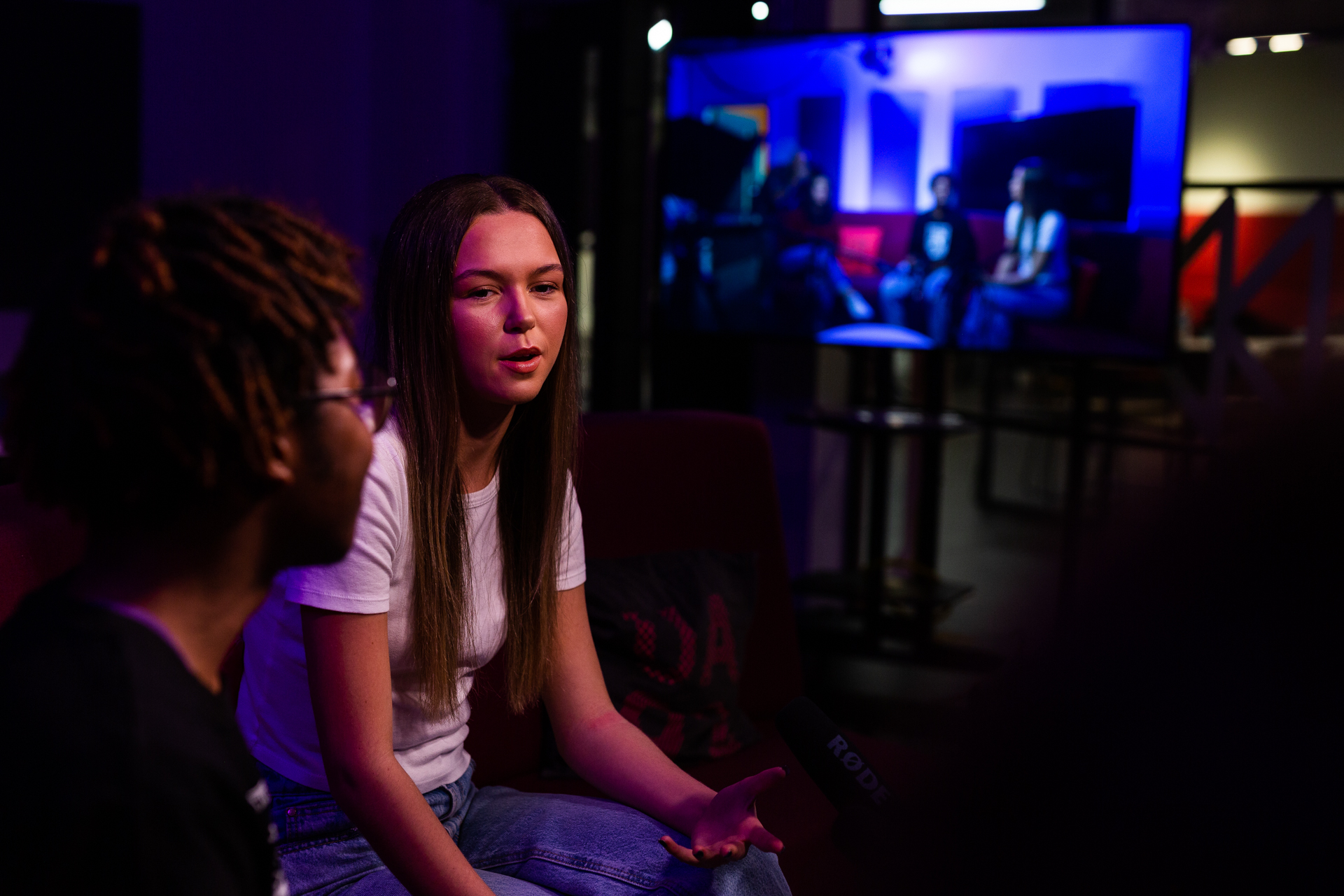
Hear from one of our current Health, Exercise and Sport students about what it’s like to study to at UA92.
Read MoreUA92 scored higher than all Greater Manchester universities for Academic Support and Assessment and Feedback in the National Student Survey 2025.*
*compares UA92’s results against the 4 Universities in Greater Manchester: Manchester Metropolitan University, University of Salford, The University of Greater Manchester and The University of Manchester.
THIS COURSE IS TAUGHT AT...
UA92 Main Campus
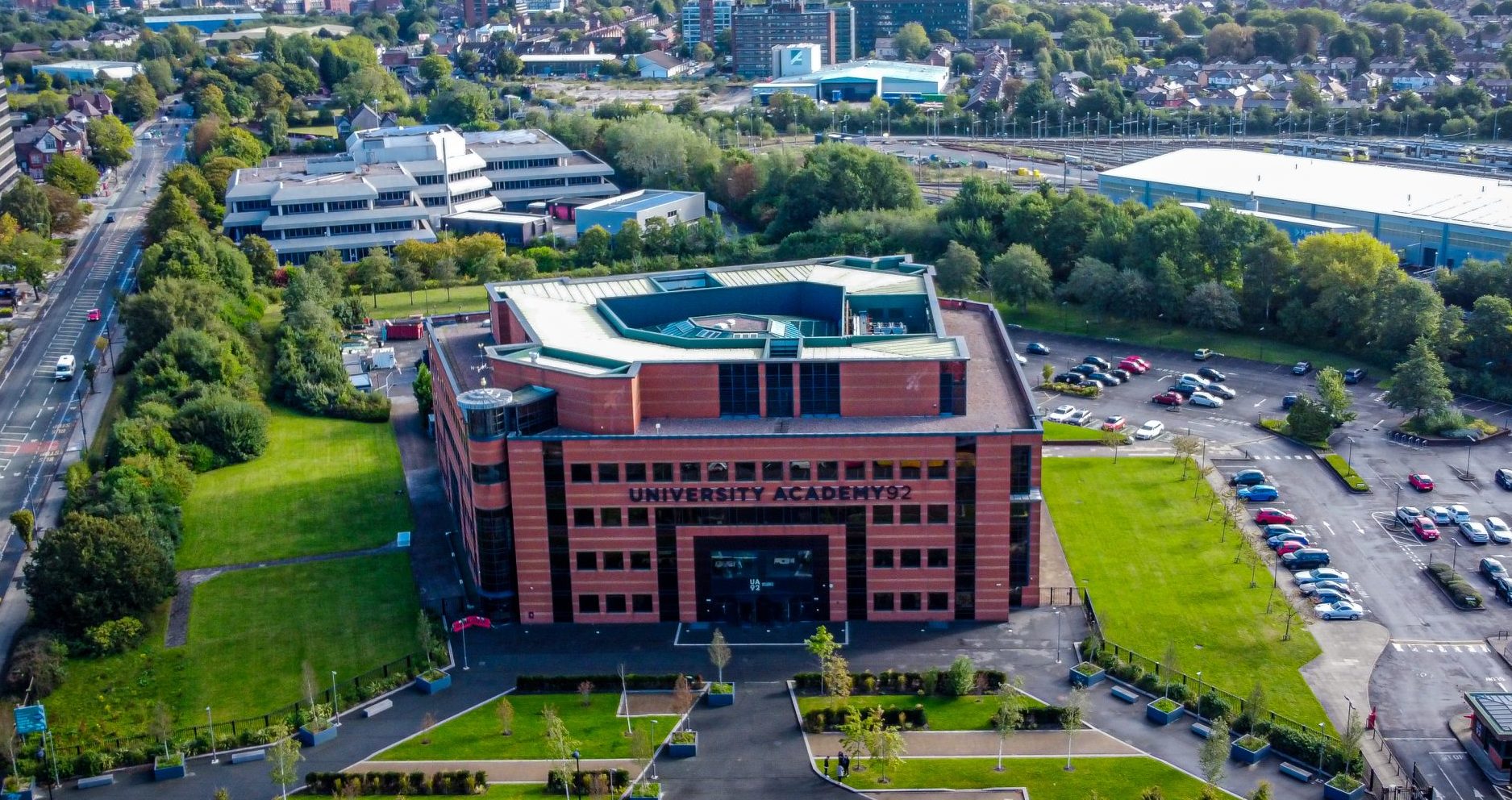
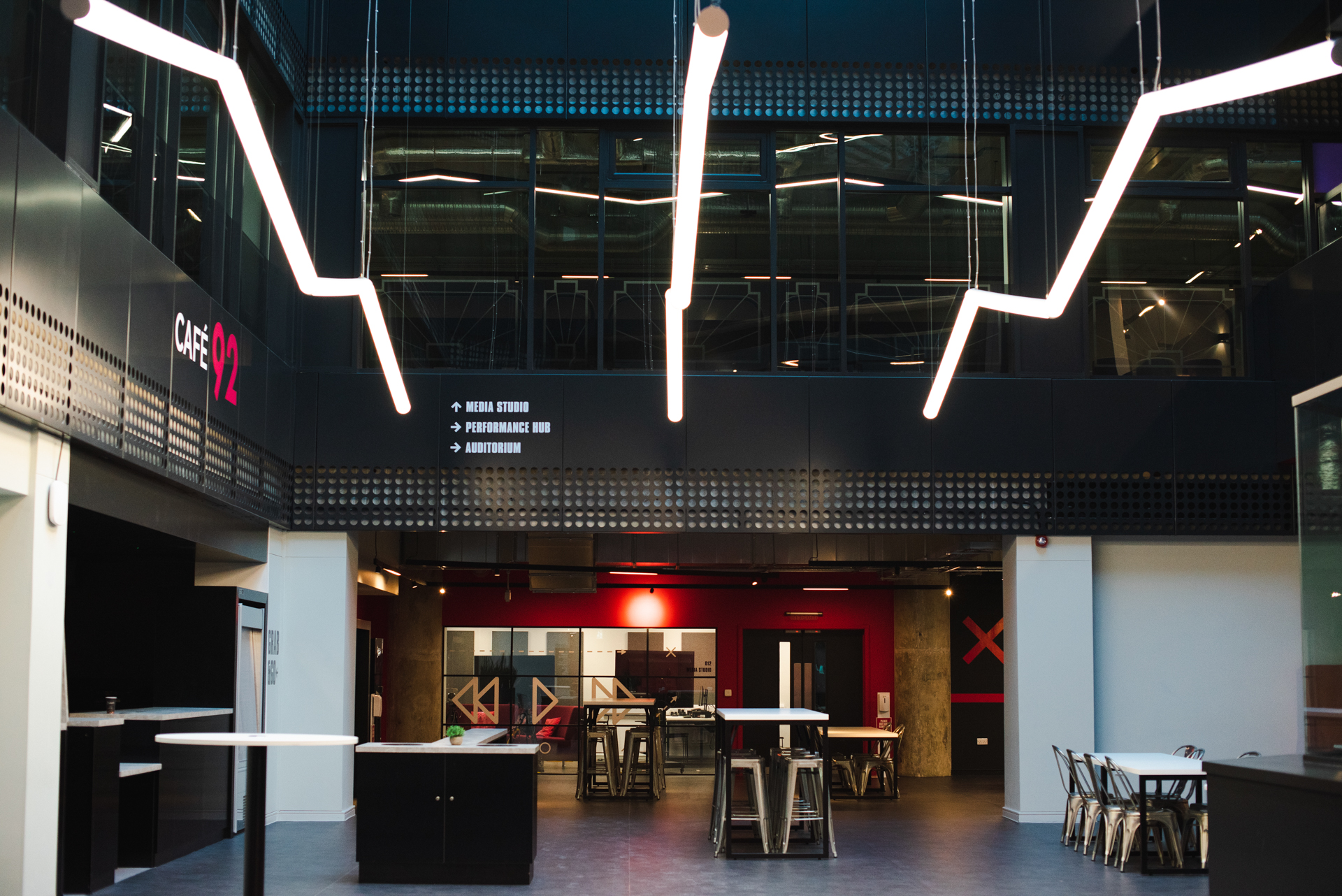
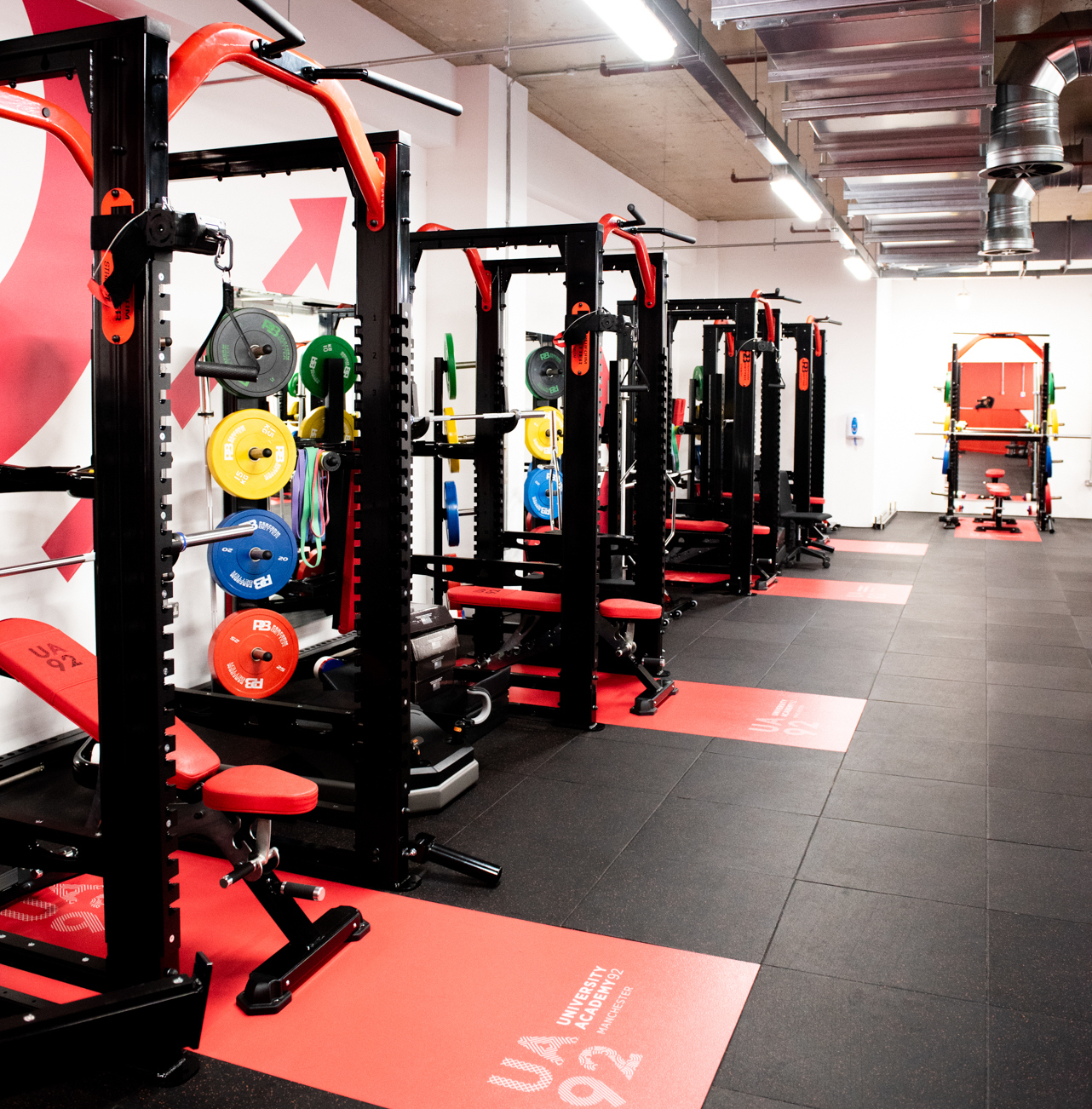
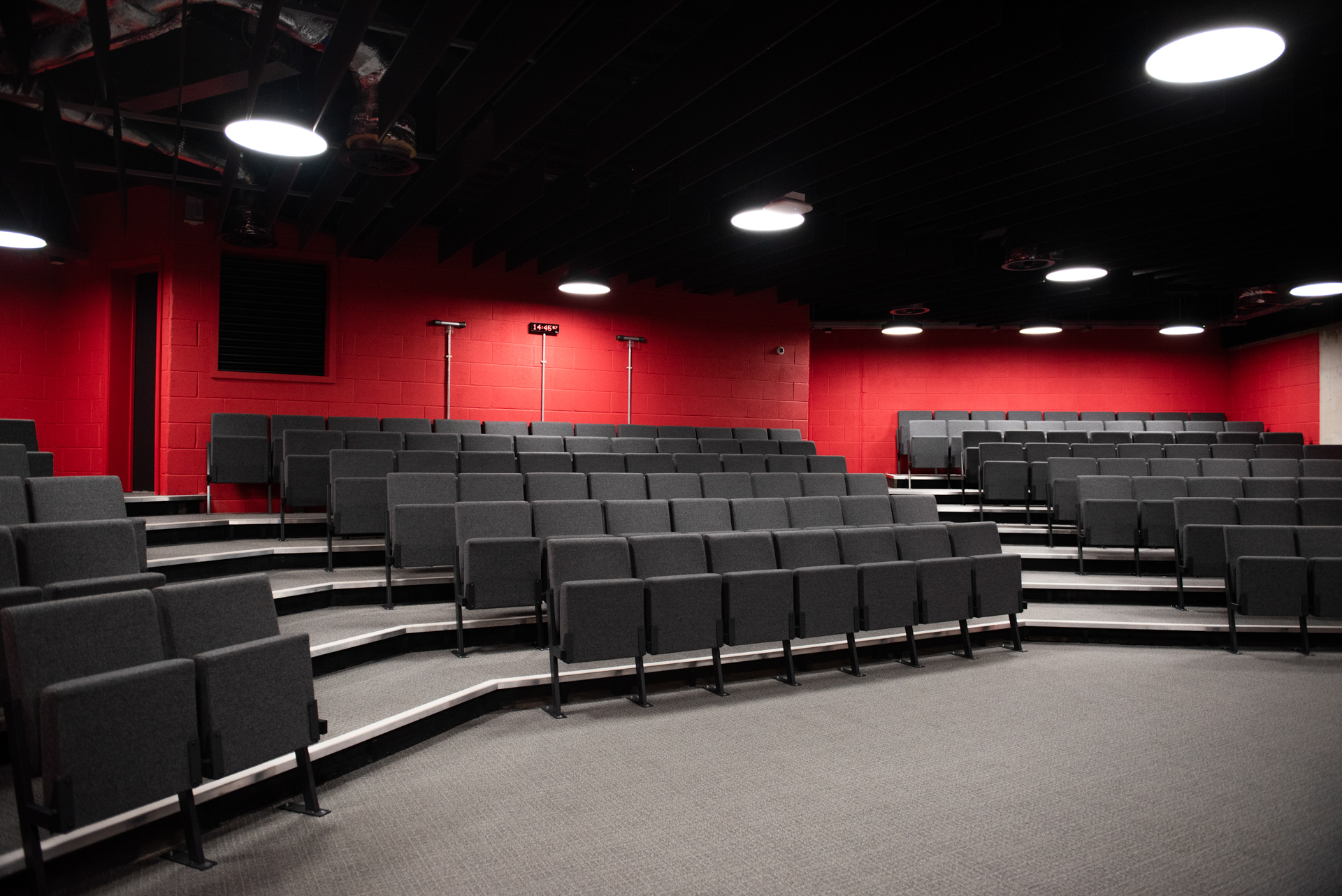
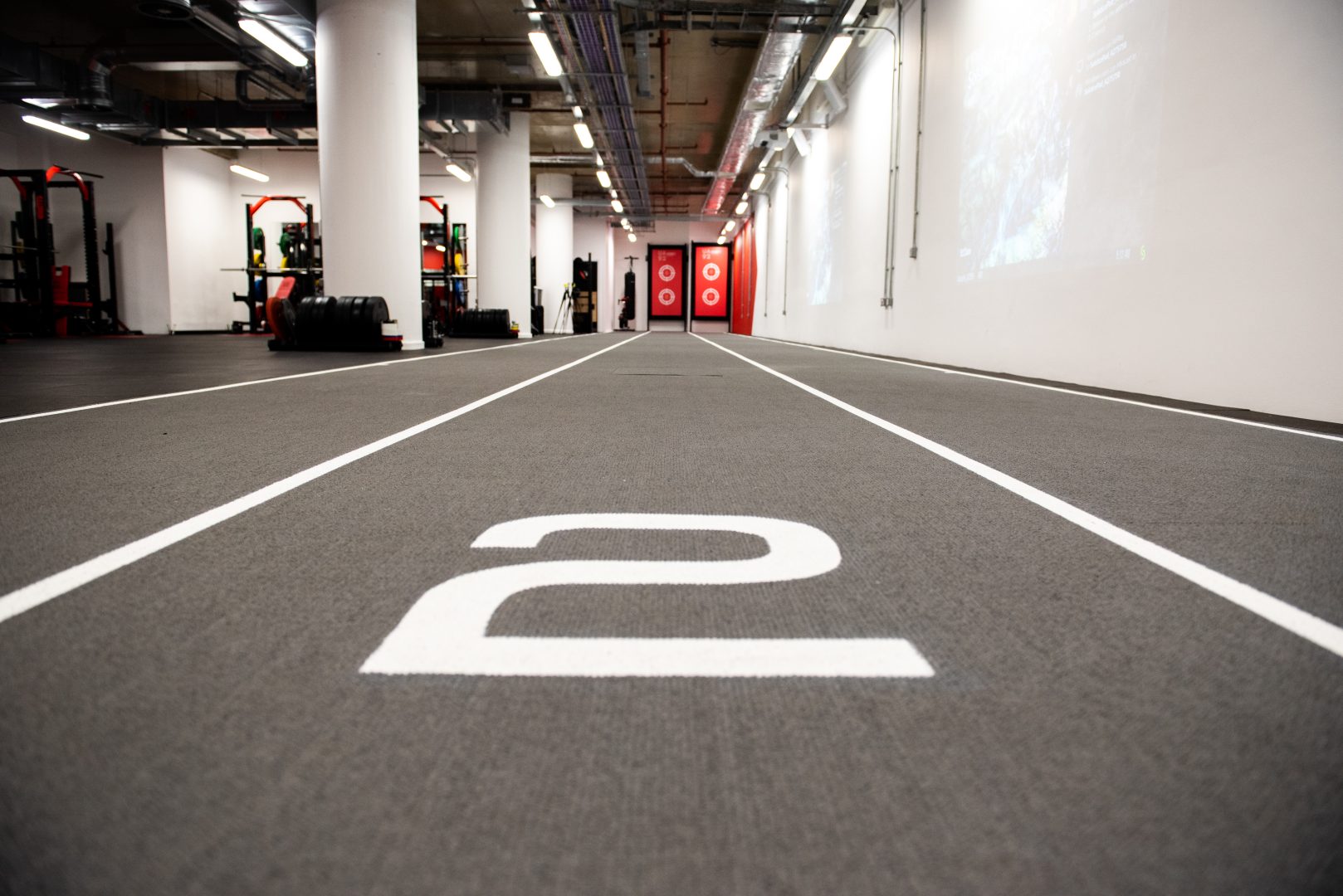
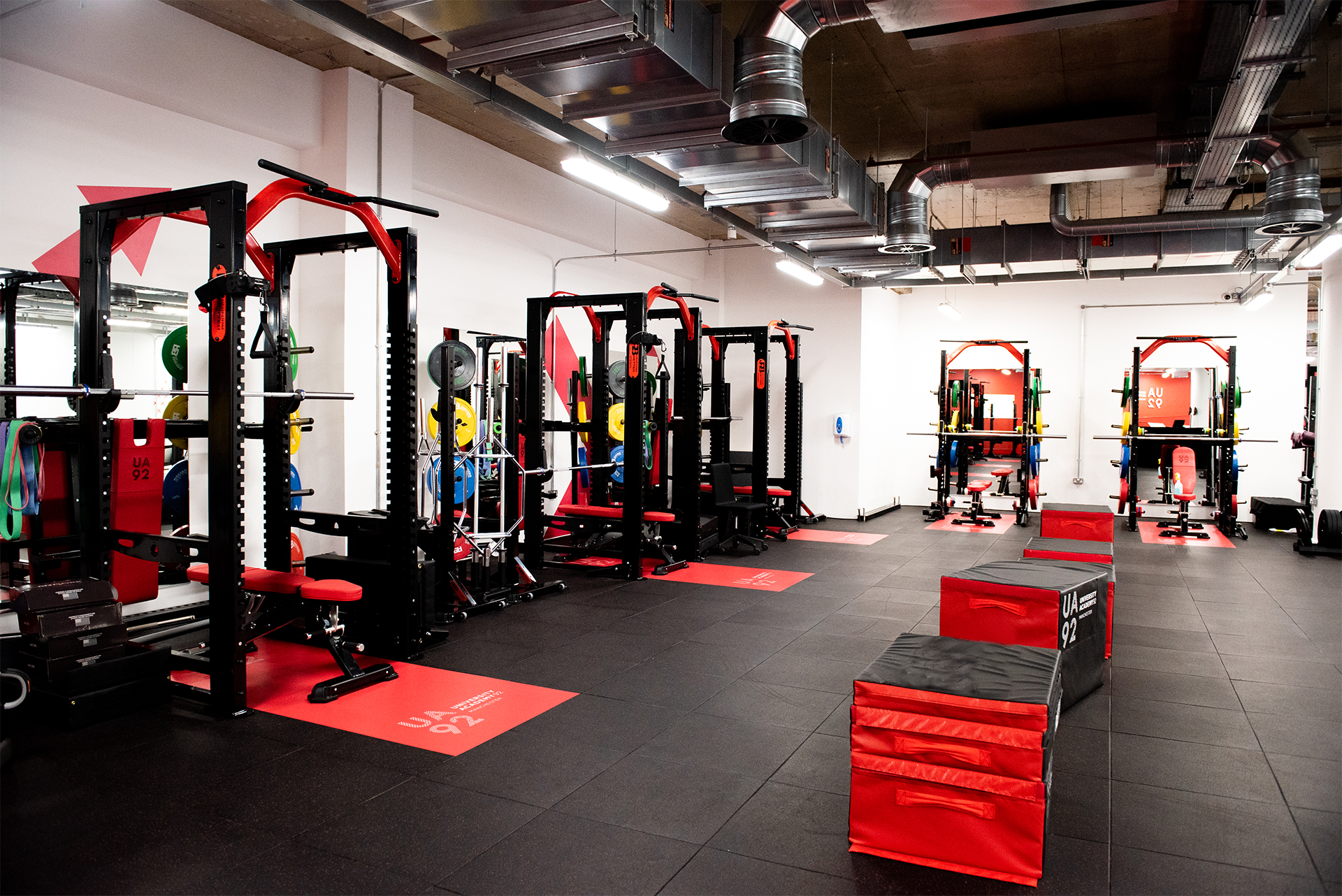
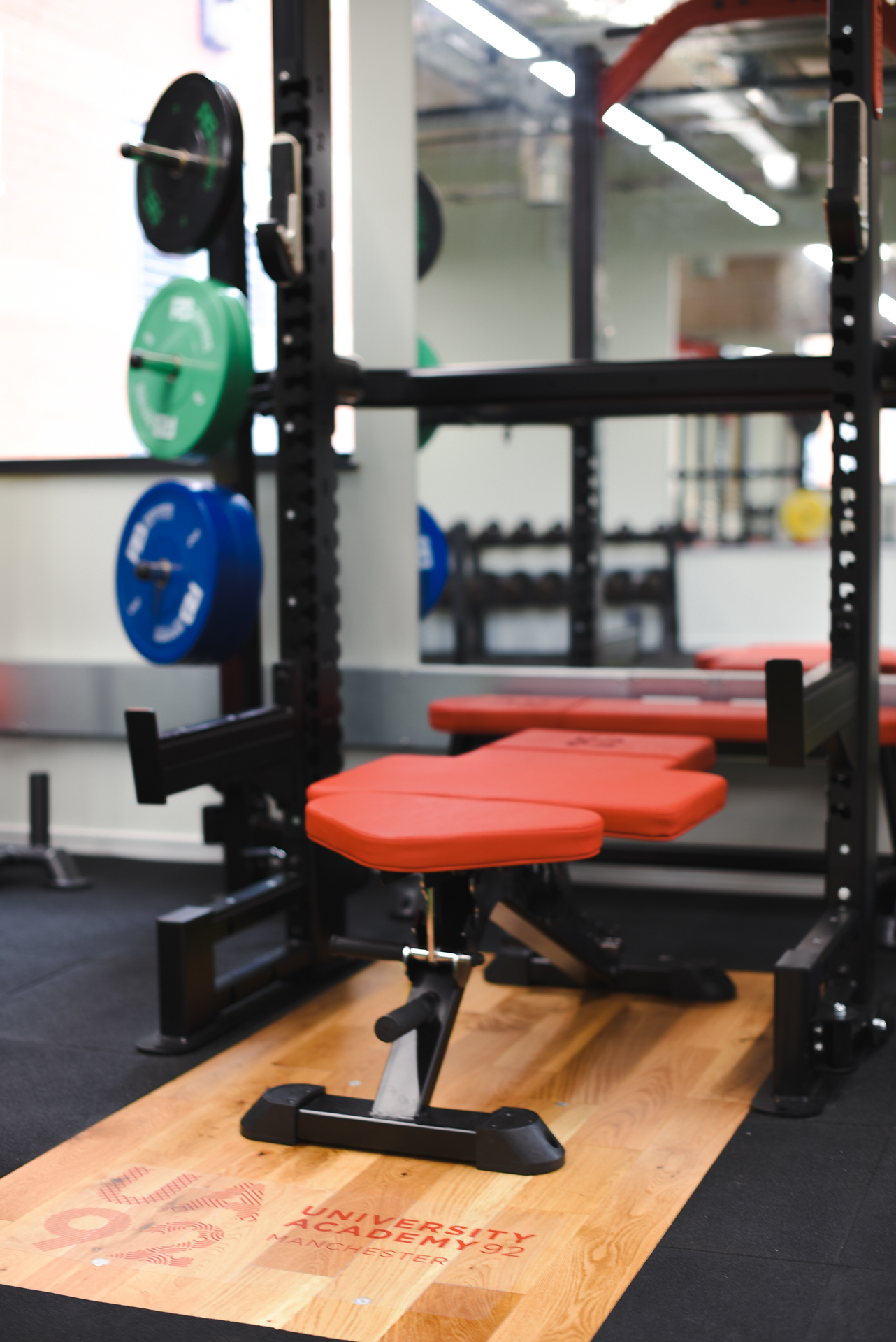
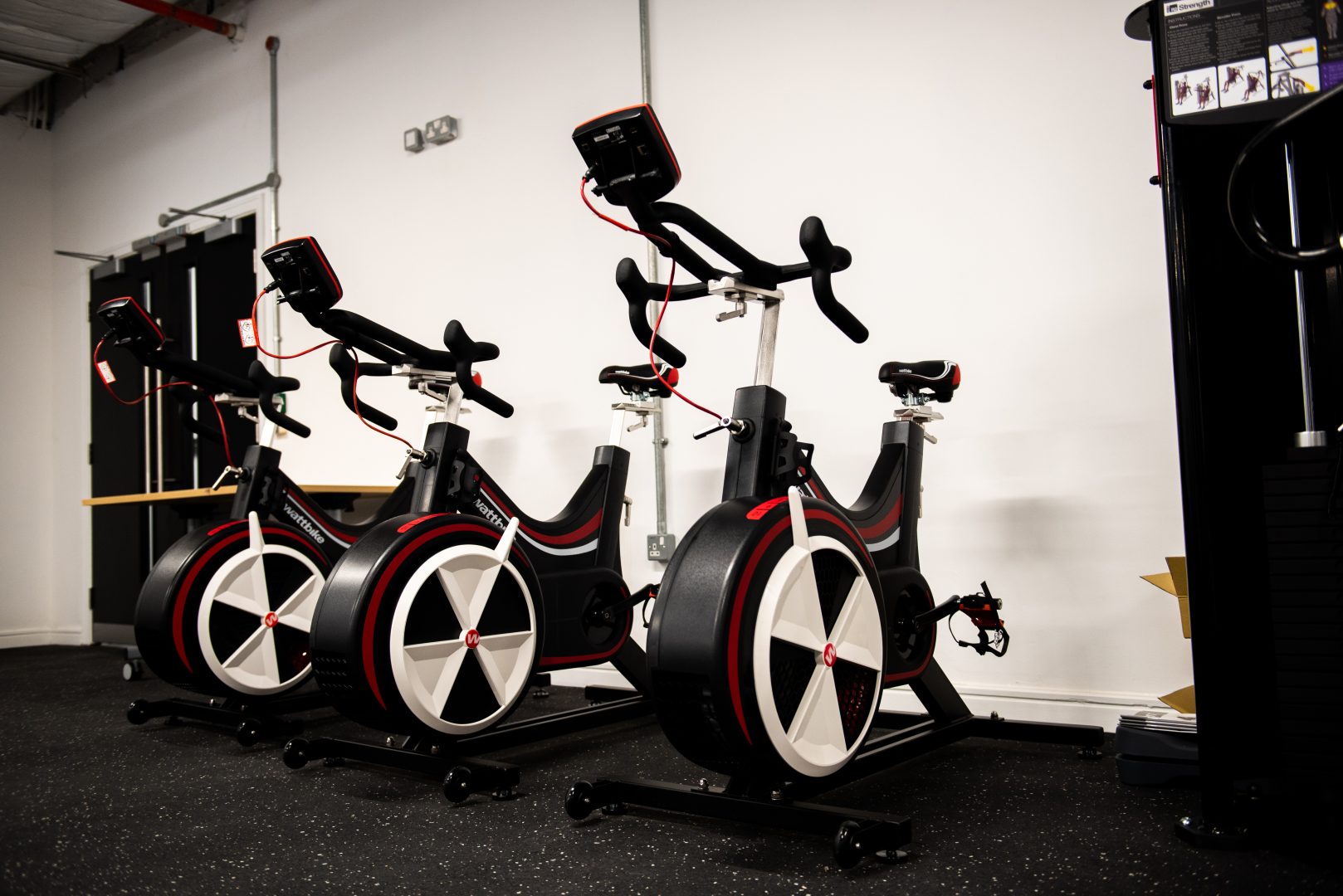
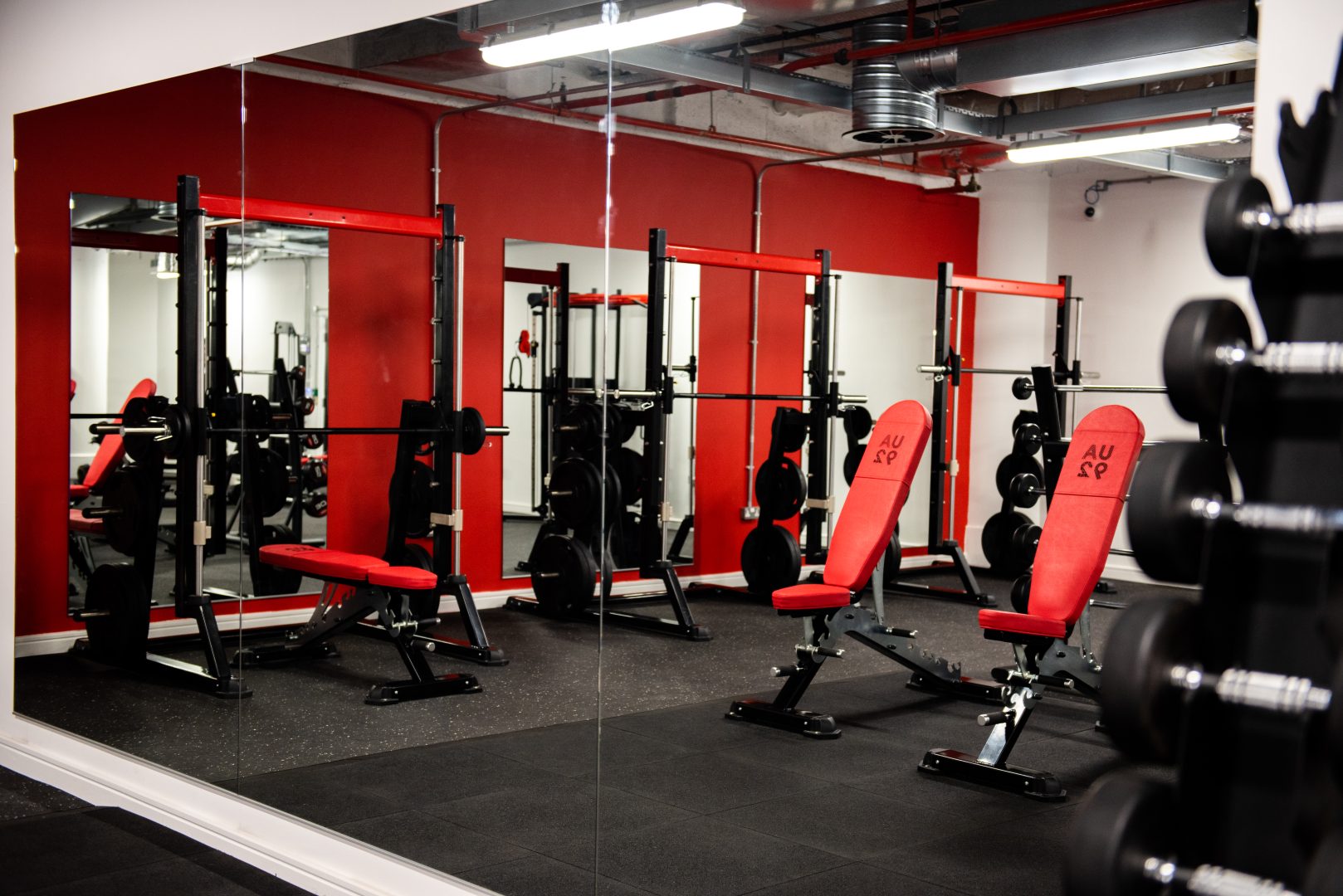
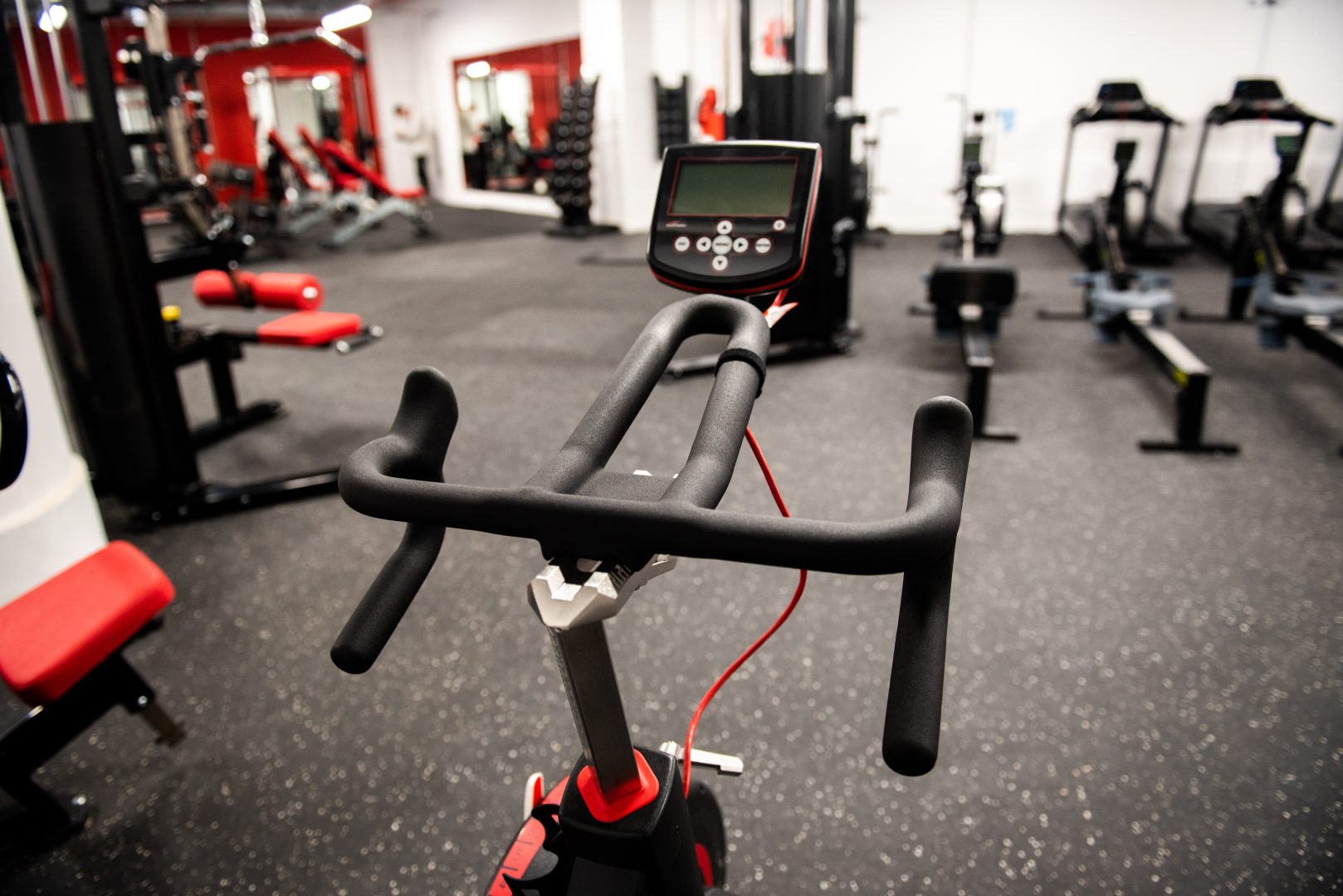
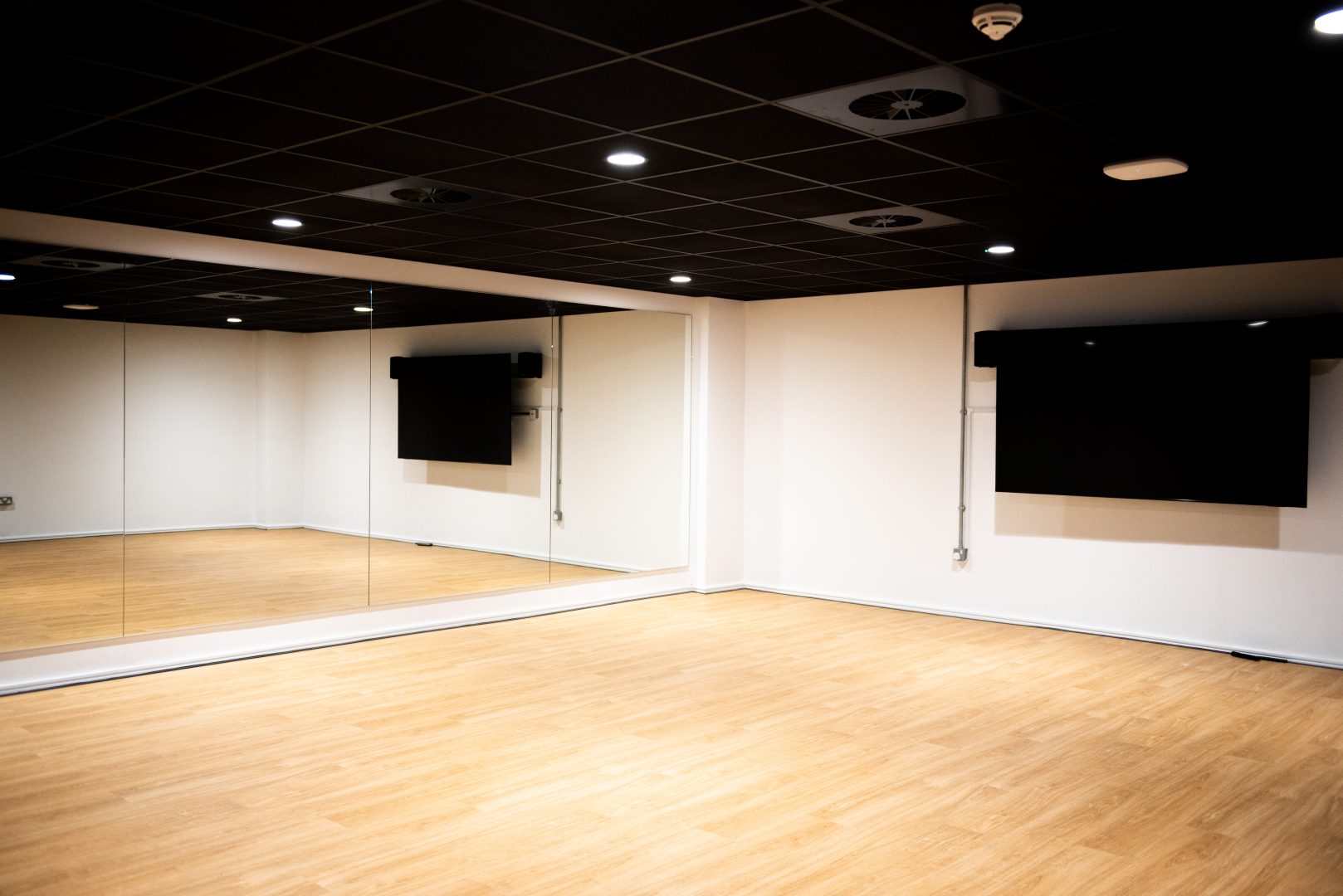
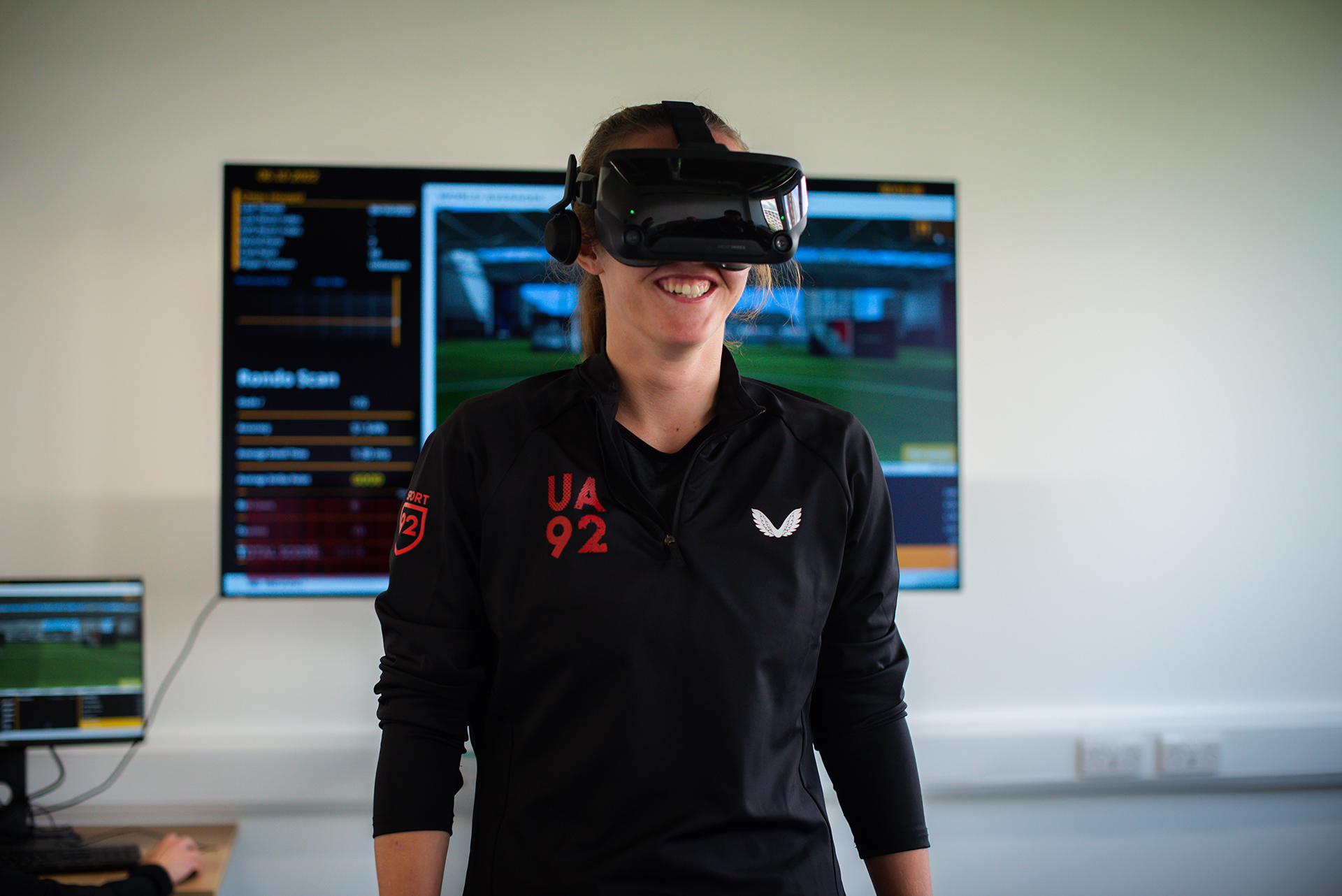
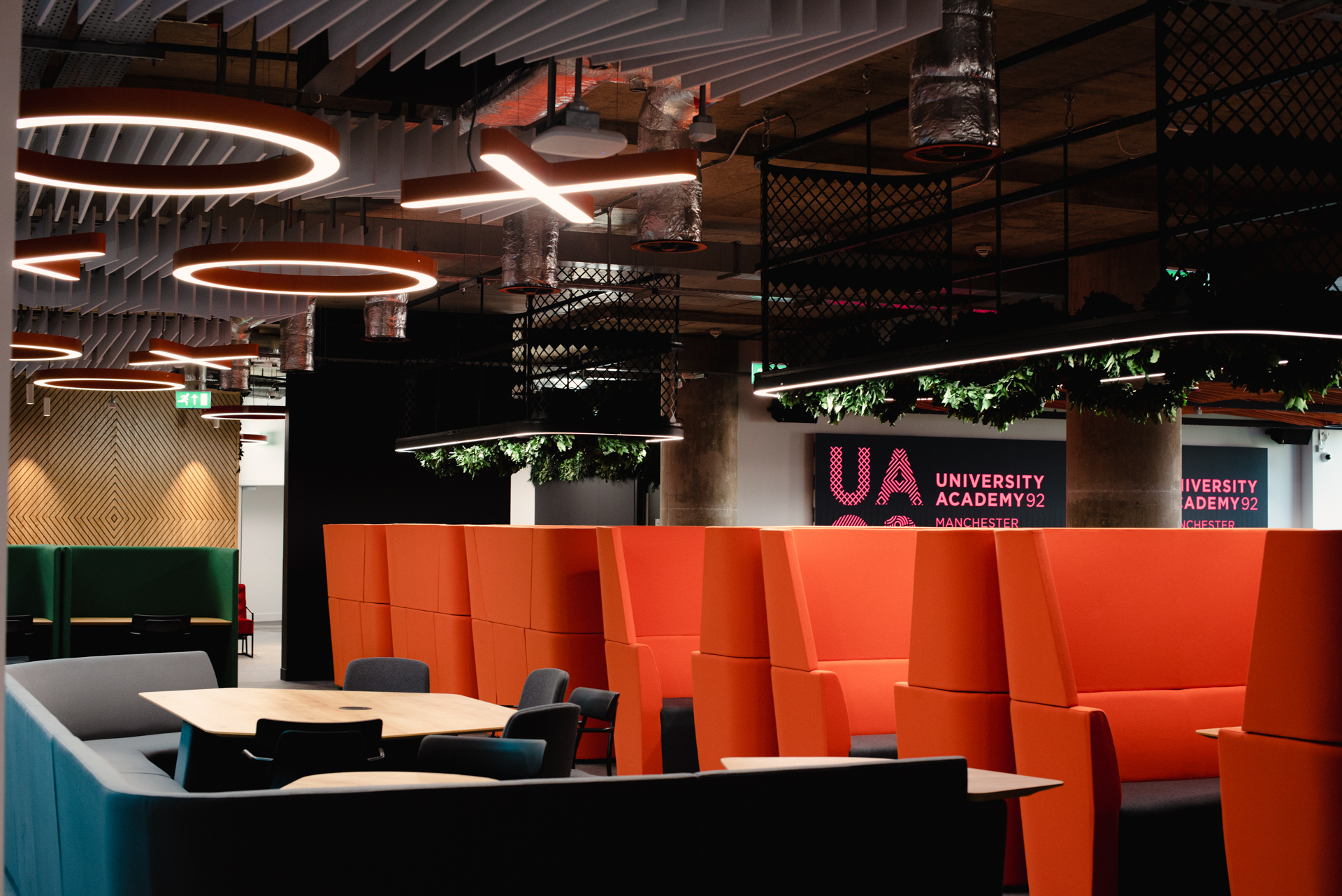
This is where our story began, back in 2019. UA92 Main Campus is in the heart of Old Trafford, Manchester. Inside there’s a fully equipped Sports Performance Centre, Media Studio and Digital Academy. The tram stop is a 1 minute walk, which gets you into the heart of Manchester city-centre in under 10 minutes.
FIND US
UA92 Main Campus
Brian Statham Way
Old Trafford
Manchester UK
M16 0PU
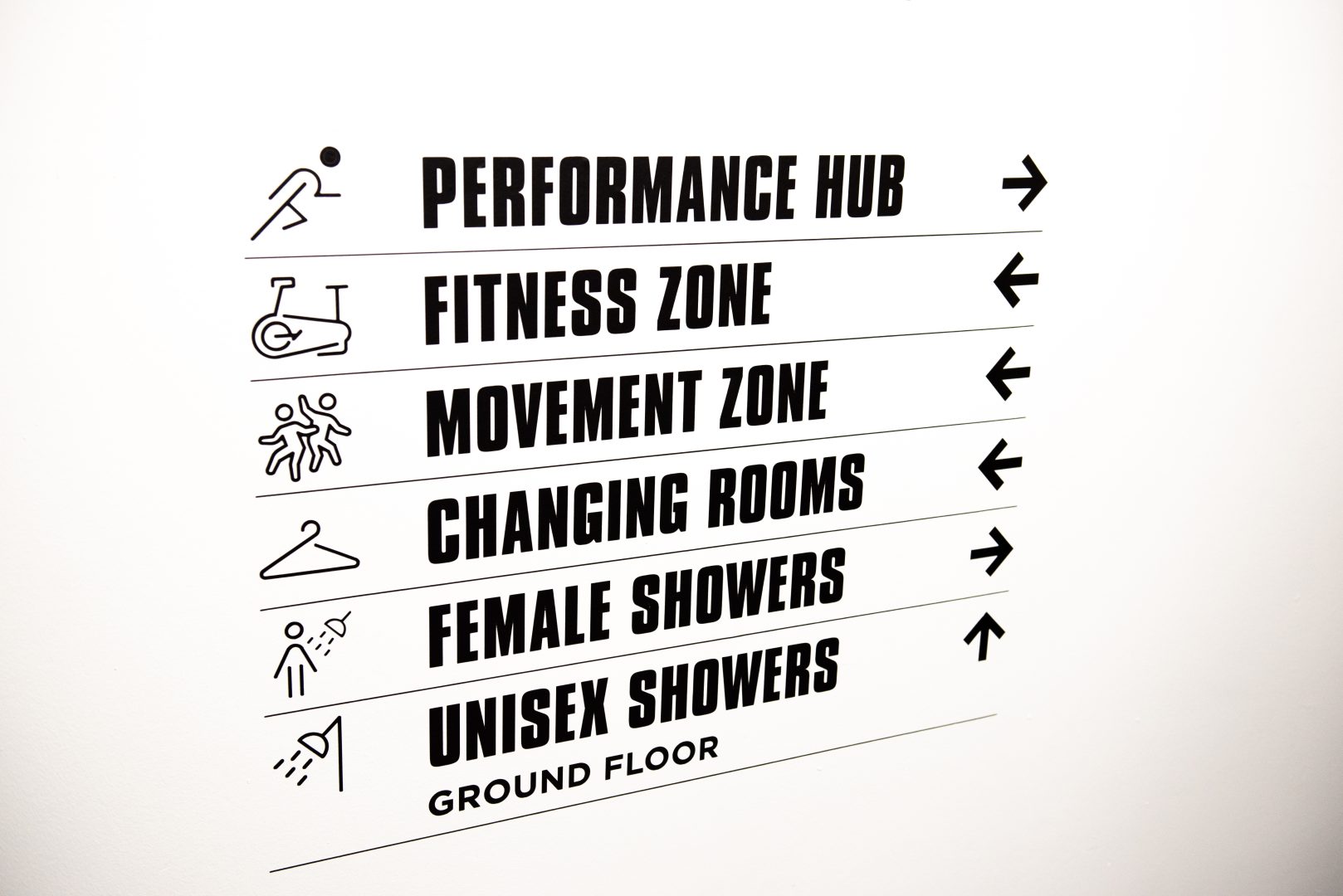
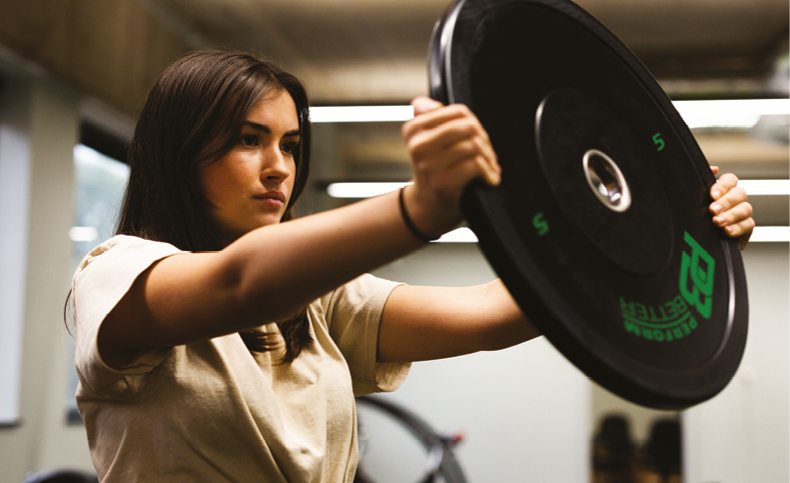
Sports Facilities
Careers in Health, Exercise and Sport
What’s next?
A Health, Exercise and Sport degree will set you up with the skills to specialise in a range of areas across the sport and physical activity sector, including nutrition, fitness and public health.
You could work in exercise and fitness, leisure operations or community sport. You could go into a job as a health promoter, health navigator, wellbeing champion, group exercise instructor, or become a community health champion for the NHS, a charity, research centres or rehabilitation centre.
91%
of graduates are engaged in employment or further study within 15 months of graduation.*
FIND OUT MOREUA92 is above the national average for graduate outcomes. The Graduate Outcomes survey is the biggest annual survey that captures the status of recent graduates who completed their studies at a higher education institution in the UK.
*Graduate Outcomes Survey Results released in 2025. National Average is 88%.
INDUSTRY PARTNERS
We have over 100 industry connections who support our mission to develop career-ready graduates. These partnerships provide you with access to industry-leading expertise, mentorship opportunities and work-place experiences.
Our industry partners play a vital role in shaping both the curriculum you study and your student experience. From delivering guest lectures and masterclasses to providing internships and graduate roles.
Meet the Sport Team
Meet the Sport Team
Amanda Partington
Course Leader for Physical Education
Christina Cunningham
Lecturer in Sport
As a Sport Lecturer at UA92, I bring over 15 years experience to the classroom. I have worked extensively with young professional athletes, and have developed a deep passion for athlete education and secured TASS Dual Career Status for UA92. With experience as a qualified PE teacher, I aim to merge best practices and knowledge gained from the professional sports environment with those from mainstream education and inclusive teaching practices, to help students unlock their true potential. As UA92s longest-serving academic, I witnessed the exciting and game-changing development of UA92 from pre-students to now, and my contributions were instrumental to the establishment of the PE Degree programme and wider UA92 life.
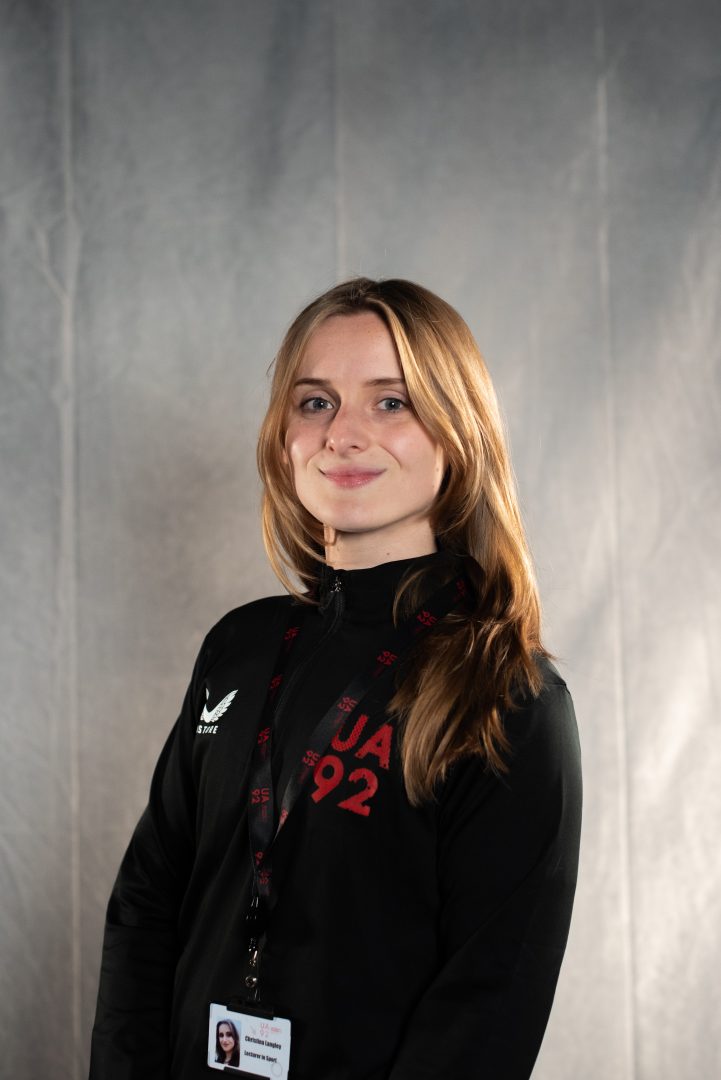
Christina Langley
Sport Lecturer
I’m a versatile Applied Sport and Exercise Physiologist with a passion for research and applied work in para-sports. I’ve gained experience in para-football, netball, and cricket, and have worked as a physical performance coach and consultant for England Para-Football and other high-performance teams. I’ve published research on musculoskeletal health and injury in people with cerebral palsy, and I’m currently involved in projects investigating physical activity, interoception, and para-swimming classification.
Christopher Wallace
Lecturer in Sport
I’m a lecturer in sport, an exercise physiologist, and a specialist in ultra endurance and triathlon coaching and coach education.
I have a background in Sports and Exercise Science and hold a master’s in Exercise Physiology. I’m excited about using AI to advance physiological methods that aid athletes and students, merging technology with training science for enhanced results.
Outside of work, I’m an avid climber and drummer and was part of Sean Conway’s crew for Iron 105.
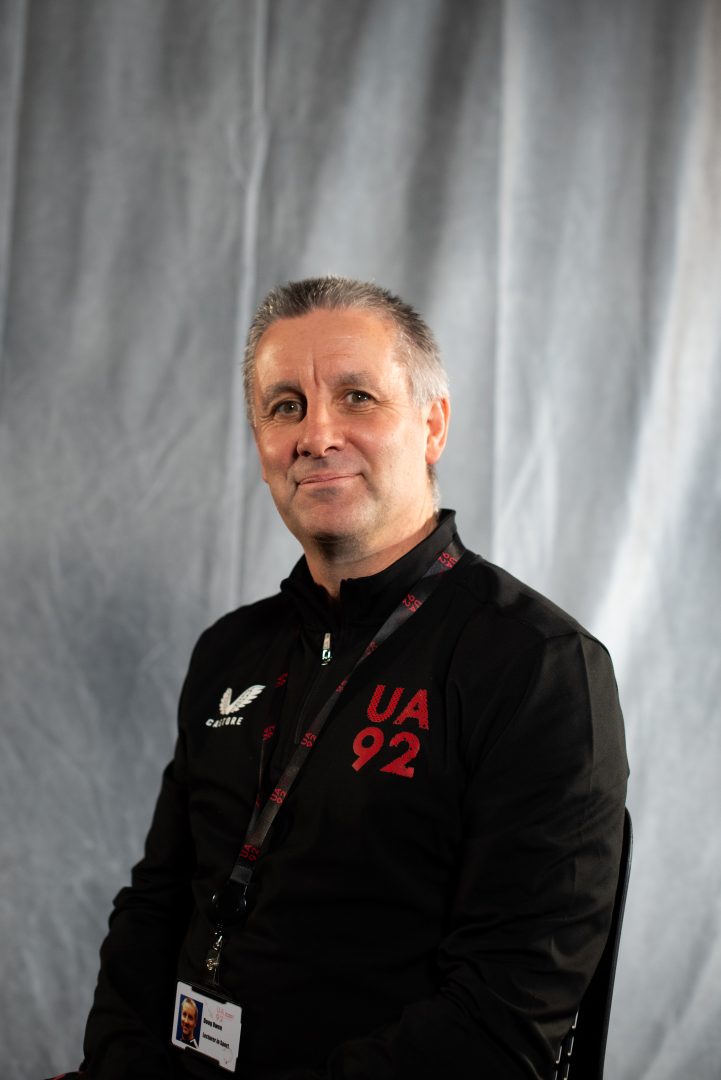
Doug Owen
Sport Lecturer
My background is in the fitness industry, working as a Personal Trainer and Sports Massage Therapist, and delivering courses for those looking to move into the field. From there, I moved into coaching and education and have been balancing the two worlds ever since, I enjoy the different perspectives that they bring. I switch off from work by relaxing quietly with a book.
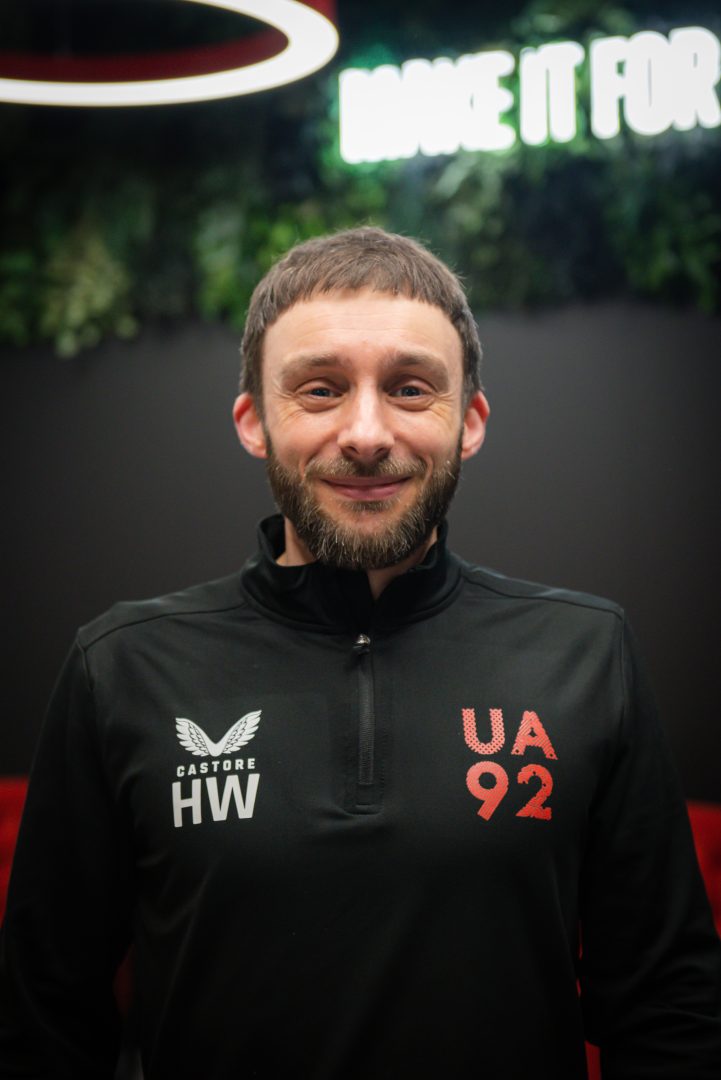
Henry Titley Wall
Course Leader: Sports Coaching
I draw on over 10 years of experience working in professional football, research and data analysis, sport-for-development, and education to prepare UA92 students for successful careers. I’m currently studying for a PhD in Sports and Exercise Psychology, and i’m also MCIMSPA and ISPAS accredited, and hold several professional qualifications in coaching (including a UEFA B football coaching license), talent identification, performance analysis, and education. I’m passionate about harnessing digital technology to induce advancement across the world of sport and teaching practice. At UA92, i’m keen to ensure students are supported in their personal and professional development by providing industry experience, applied practice and academic skills in an engaging and inclusive environment.
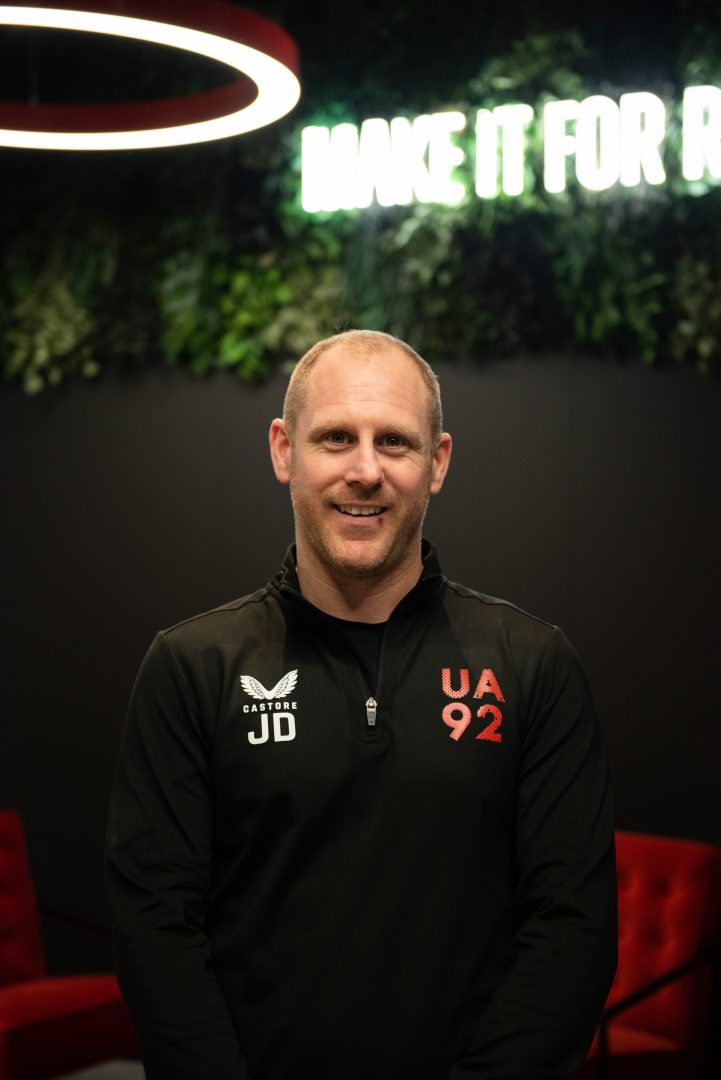
Jason Doggett
Sport Lecturer
I’m a Lecturer in Sports Coaching with a passion for talent development, skill acquisition and pedagogy. I’m is currently undertaking doctoral research within bioecological talent development environments within women’s football. Alongside teaching, I have a wide range of experience within sport development and performance coaching including English Premier League and Welsh Premier League football academies. I’ve achieved a range of sport coaching qualifications including the UEFA A License, UEFA Elite A Youth License and FA Youth Award. I’m also motivated to support students to achieve success in the classroom and have the confidence to become an industry leader.
Johnson Chandigere
Sport Lecturer
I’m a trainee sport and exercise psychologist working towards my BPS Stage 2 accreditation through my Sport and Exercise Psychology Professional Doctorate course. My journey within sport and exercise psychology began with my own experiences of academy rugby, which lead me to take an interest into psychological performance and the holistic development of athletes within performance environments. I obtained my BSc Honours in Sport and Exercise Psychology from the University of South Wales, and my MSc Sport and Exercise Psychology from Liverpool John Moores, I am currently in the process of completing my Professional Doctorate in Sport and Exercise Psychology. During my studies, I began working in the applied field, specifically in different elite performance environments, with elite international athletes in different sports and coaches aiding their performance and holistic development. My teaching delivery focuses on bringing theory to life through providing real world context and knowledge supported by academic literature to ensure students are supported in their personal, professional, and academic development.
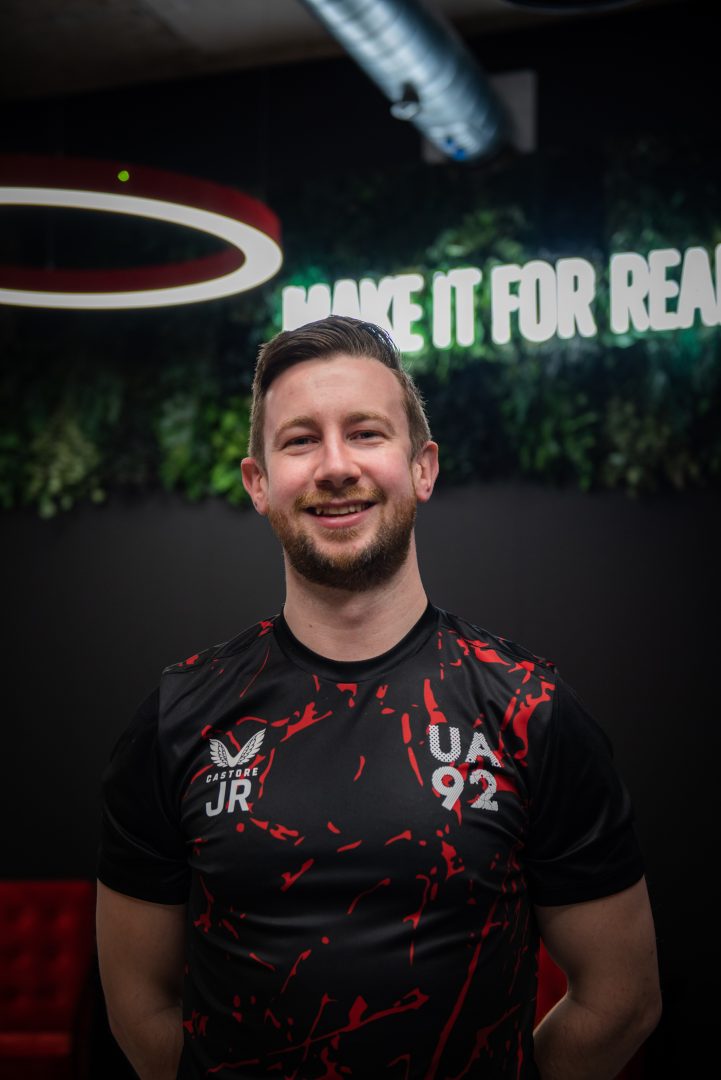
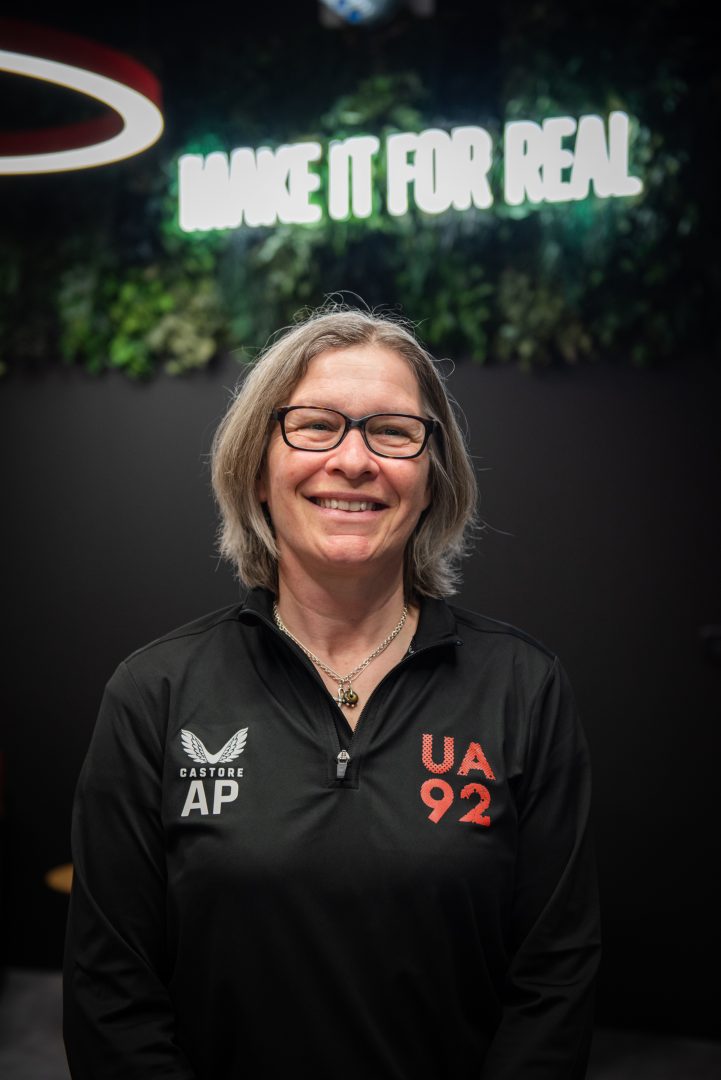
Jon Radcliffe
Head of Sport
I have an academic background in Sports Science, Sport Psychology, and Strength and Conditioning. Having received a First Class BSc in Applied Sport Science and a MSc (distinction) in Psychology, I’ve conducted research examining the use of psychology within strength and conditioning, graduating as a Doctor of Philosophy in 2014. I am a Fellow of the Higher Education Academy (FHEA) and was awarded the Postgraduate Certificate in Academic Practice in 2013. I also have considerable experience in programme design and leadership having designed and led Sports Coaching undergraduate degrees since 2016 as well as leading the Sport and Exercise Science suite of programmes through successful periodic reapproval.
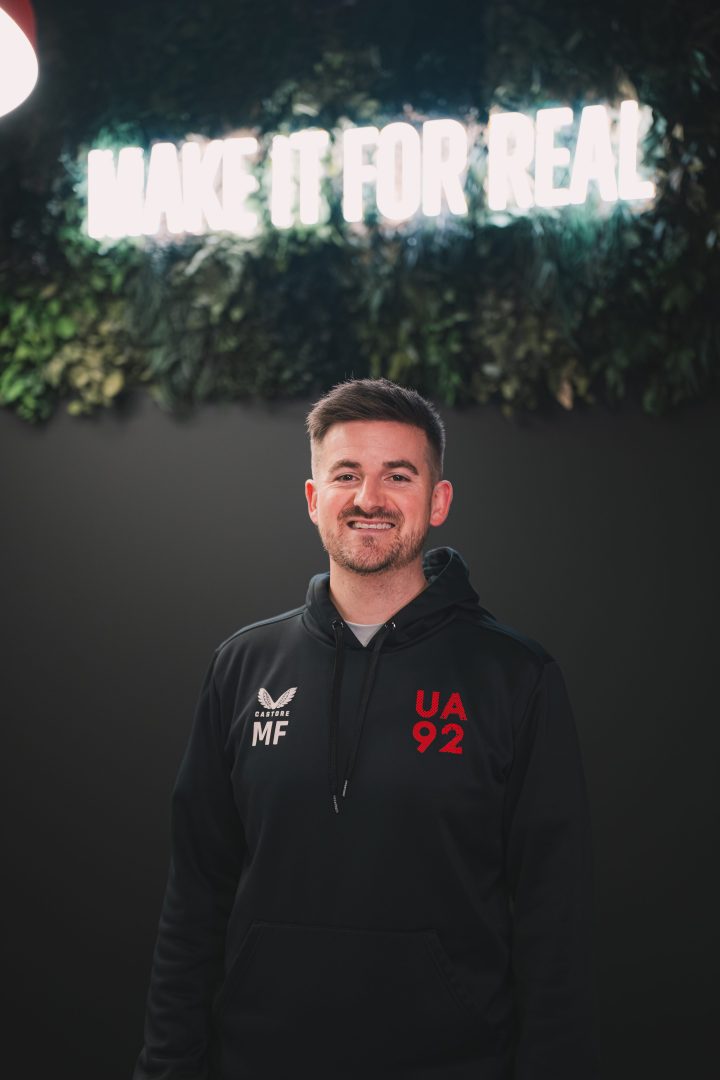
Matt Fielding
Lecturer in Sport
Teaching Excellence Framework Silver Award
FIND OUT MOREA TEF Silver award is a recognition that a university or college provides high-quality teaching, learning, and outcomes for its students. It’s given by the Teaching Excellence Framework (TEF), a national scheme that assesses undergraduate courses in the UK.
ASK OUR SPORTS STUDENTS
Our friendly ambassadors are ready to answer your questions. Click on the ‘Ask me a question’ button to start a conversation.
*The NSS results referred to above compares UA92’s results against the 4 Universities in Greater Manchester (University of Bolton, Manchester Metropolitan University, Salford University and The University of Manchester). Teaching, Assessment and Feedback and Academic support refers to the average score across all questions in these themes. Mental health support services refers to question: How well communicated was information about your university/college’s mental wellbeing support services?
** There may be exams in some subject areas where external accreditations are available.
*** If you start in February or April or as an accelerated student, we can’t guarantee your timetable will be fixed am/pm throughout your studies.
ENTRY REQUIREMENTS
The standard entry requirements for the BSc (Hons) Sports and Exercise Science course is 104 UCAS points.* However, each application is assessed on an individual basis, taking into consideration a wide range of factors. Depending on your personal circumstances, and in line with our Contextual Admissions Policy, your application may still be considered on an individual basis. If you would like to know more about applying to UA92 or have any questions about our entry requirements, please contact our Student Futures Team.
LEVEL 2
- 5 GCSEs at Grade C/4 or above including English Language
- Accepted Alternatives: Functional Skills Level 2 (English and Maths)
LEVEL 3
- UCAS Points: 104
- A Levels: BCC (104 equivalent)
- BTEC National Extended Diploma: DMM
- BTEC Diploma: D*D
- T Levels: M
- Scottish Advanced Highers: AB
- IB: 28 points with 14 from Higher Level Subjects
NON-TRADITONAL
Some qualifications do not carry UCAS Tariff points but may still be considered. We take into account a range of qualifications and work/life experience that can demonstrate your ability to succeed on the course. Each application is assessed on an individual basis, taking into consideration a wide range of factors.
INTERNATIONAL
International Baccalaureat
Pass the IB Diploma with minimum 28 points overall, with 14 points from Higher Level Subjects.
English Language Requirements
In addition to meeting the academic criteria, if your first language isn’t English, you may be asked for a recognised English language qualification. This is especially important if you are not a national of a majority English speaking country or you haven’t completed a degree in English. If you are an international student, in order to obtain a student visa, you will be required to demonstrate that you have the correct level of English language competency to study in the UK.
- IELTS: Overall score of 6.5, with no section lower than 5.5
FEES AND FINANCE
World of Business
World of Digital
World of Media
World of Sport